Design
Warm before the crawler arrives
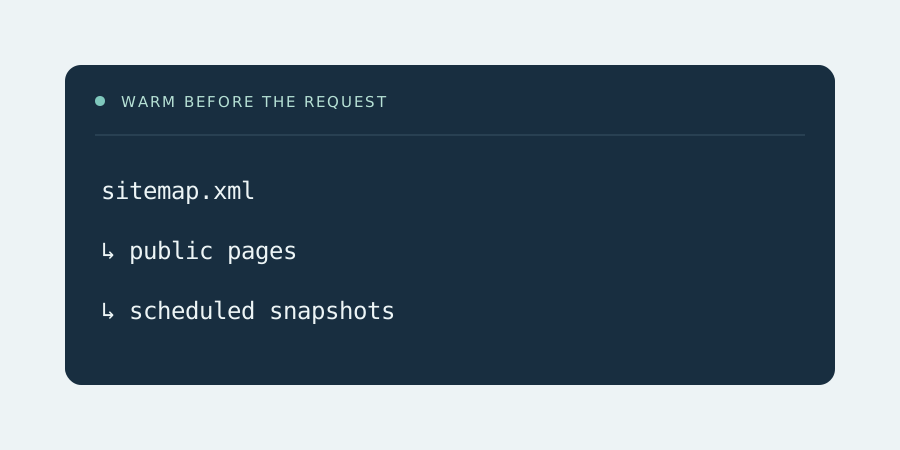
Sitemap warming prepares the saved page before a crawler request, and keeps cold behavior explicit.
RenderCache pre-renders public JavaScript pages, warms them from your sitemap, and serves saved HTML to crawler requests. Self-hosted. One Go binary, plus Chrome.
Warm
Sitemap discovery and scheduled pre-rendering
Cached
Saved HTML with stale-while-revalidate refreshes
Logged
Crawler response receipts, including bypasses
Yours
Snapshots and delivery logs on your own server
Engine capabilities in the current alpha. Chrome is an external dependency for the standalone binary; the Dockerfile installs it.
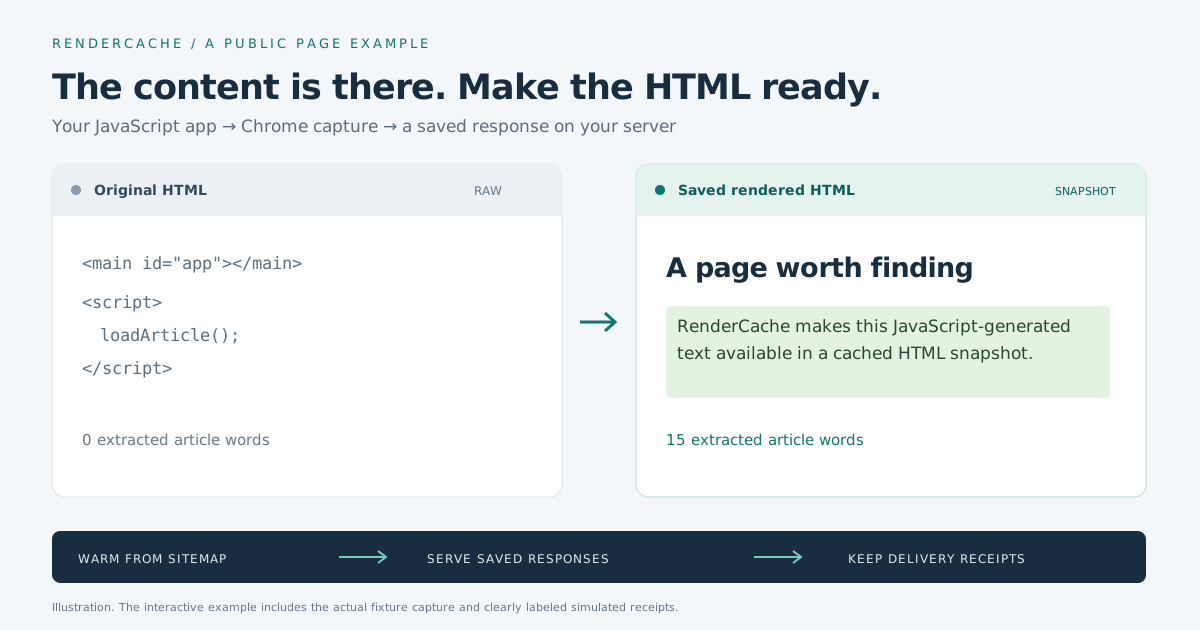
A JavaScript app can look complete in a browser while its original HTML contains little more than an empty container. Crawlers and preview fetchers that do not execute the app can miss its text. RenderCache uses Chrome to capture public pages, stores the finished HTML, and serves that copy to matching crawler requests. People continue to receive the ordinary app.
The sitemap supplies the warm-up list. A saved page can be served without starting a browser. An expired copy stays available while a background refresh runs; a cold request falls through to the origin and queues work. The alpha also records what kind of response was written, so an HTML snapshot, a 304, a redirect, and a private-request bypass remain distinguishable.
This comparison uses a public example page captured with the released alpha. The controls illustrate request behavior locally in your browser. No URL is fetched and no external crawler visits.
Open the full explanation or compare your own site in the self-hosted admin app.
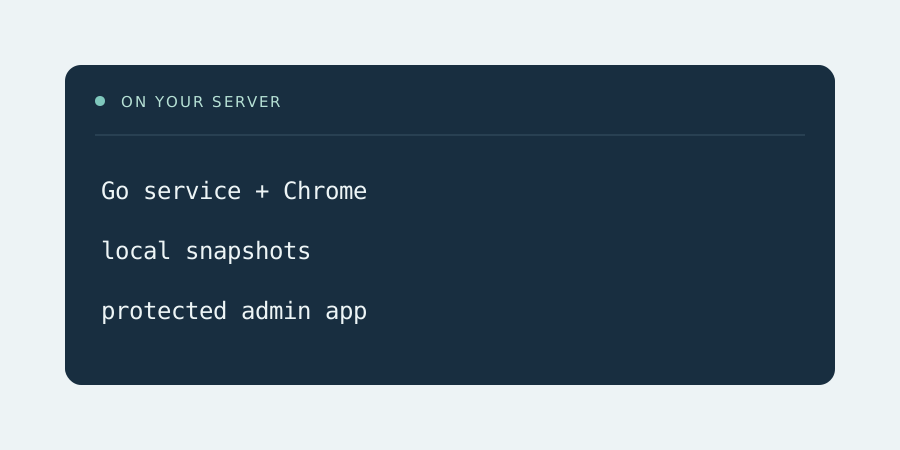
Run RenderCache as the reverse proxy, or route crawler traffic to it behind your existing edge. Configure the original app as its fixed origin and your public hostname as its site URL. Snapshots, quotas, and rotating delivery logs stay on your server. The engine is open source under Apache 2.0.
The current release is a Linux amd64 evaluation alpha. Chrome remains a separate dependency for the standalone executable. Start with public, unauthenticated pages and check your readiness selector, snapshot coverage, and crawler responses before using it on a live site.
Design
Sitemap warming prepares the saved page before a crawler request, and keeps cold behavior explicit.
Operations
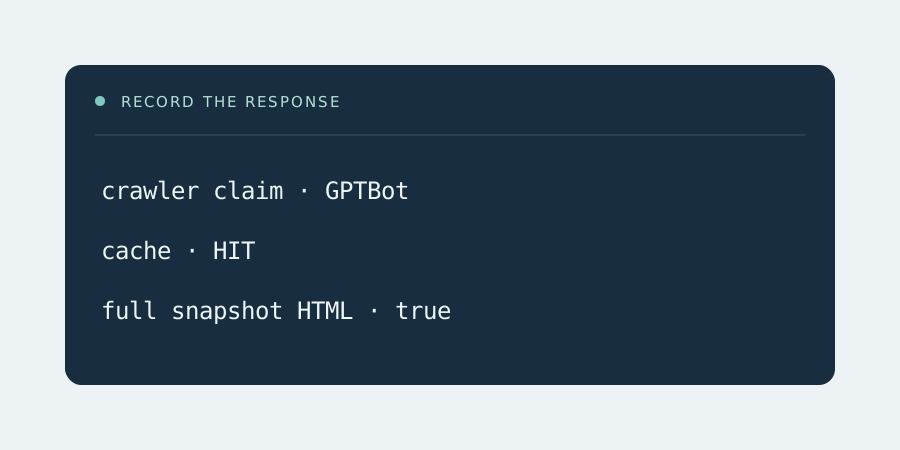
A cache hit, a full HTML body and a verified crawler visit are different claims. The receipts keep those boundaries clear.
Release
A Linux amd64 executable, real Chrome checks, explicit operational limits and a self-hosted comparison page.
Start the alpha locally, warm a page, then open the protected admin comparison. Your own origin. Your own snapshots.